Kinesiologist Whitby
Here’s the thing about our bodies – they’re really good at telling us when something needs attention. That stiffness after sitting at your desk all day? Your tight hips after your weekend hockey game? The way your knee doesn’t quite move like it used to? Your body is having a conversation with you.
A kinesiologist Whitby can help you understand what your body is saying and, more importantly, how to respond.
What Does a Kinesiologist Actually Do?
At Kinesis Physiotherapy & Rehabilitation Centre, our kinesiologists work with you to build personalized exercise plans. They assess your movement patterns, identify problem areas, and create programs that actually fit into your life.
The goal isn’t to turn you into an Olympic athlete (unless that’s your thing). It’s to help you move better, feel better, and do the things you want to do without pain getting in the way.

How Kinesiology Fits into Your Recovery
Let’s say you’ve been seeing a physiotherapist for your lower back pain. You’re making progress, but your physio mentions adding kinesiology to your treatment plan. What does that mean?
Kinesiologists often work as part of your rehab team, focusing on the exercise piece of your recovery. While your physiotherapist might use hands-on treatments and techniques, your kinesiologist builds the strength and movement patterns you need to keep improving.
They’re the ones who help you build endurance after an injury. They teach you the right way to move so you don’t hurt yourself again. They create workout plans that match where you’re at right now, not where you think you should be.
Working with both professionals gives you a fuller picture of your recovery. It’s like having a contractor and an architect building your house – they each bring different skills to get the job done right.
Who Benefits from Working with a Kinesiologist?
Pretty much everyone, honestly.
Maybe you’re someone who sits at a desk all day and your neck and shoulders are constantly tight. A kinesiologist can teach you exercises that counteract all that sitting. Simple movements you can do at your desk or at home that make a real difference.
Or you’re getting back into running after having kids, and your knees are not happy about it. A kinesiologist can assess your running form, identify muscle imbalances, and build a training plan that keeps you moving without making things worse.
Post-surgery recovery? Kinesiologists help you rebuild strength safely. Managing a chronic condition like arthritis? They can show you how to move in ways that reduce pain. Want to prevent injuries before they happen? That’s literally what kinesiologists are trained to do.
Even if you’re just someone who wants to feel better in their body, kinesiology makes sense. You don’t need to be broken to benefit from learning how to move better.
Movement Assessment: Where Everything Starts
A kinesiologist will ask about your injury history, your daily activities, what movements hurt, and what you want to be able to do. They watch how you move – how you squat, how you reach overhead, how you walk, how you bend. They’re looking for compensations, asymmetries, and areas where your body isn’t working as efficiently as it could.
This isn’t a pass-fail test. There’s no “perfect” way to move. Everyone’s body has its quirks. The assessment just gives your kinesiologist the information they need to build a plan that makes sense for you.
Maybe they notice your left hip doesn’t extend as far as your right. Or your core isn’t engaging when you lift. Or you’re leaning too far forward when you squat. These are clues about where to focus your training.
The best part? You get explanations. Your kinesiologist shows you what they’re seeing and why it matters. Understanding your own movement patterns helps you make better choices when you’re exercising on your own.
Movement Assessment: Where Everything Starts
A kinesiologist will ask about your injury history, your daily activities, what movements hurt, and what you want to be able to do. They watch how you move – how you squat, how you reach overhead, how you walk, how you bend. They’re looking for compensations, asymmetries, and areas where your body isn’t working as efficiently as it could.
This isn’t a pass-fail test. There’s no “perfect” way to move. Everyone’s body has its quirks. The assessment just gives your kinesiologist the information they need to build a plan that makes sense for you.
Maybe they notice your left hip doesn’t extend as far as your right. Or your core isn’t engaging when you lift. Or you’re leaning too far forward when you squat. These are clues about where to focus your training.
The best part? You get explanations. Your kinesiologist shows you what they’re seeing and why it matters. Understanding your own movement patterns helps you make better choices when you’re exercising on your own.
Building Strength That Matters
Kinesiologists design strength programs based on functional movements – the stuff you actually do every day. Picking up kids or groceries. Getting up off the floor. Carrying laundry upstairs. Reaching into high cupboards. These movements require strength, stability, and coordination.
Your program might include exercises that look familiar – squats, lunges, planks, rows. But the way they’re programmed, the progressions, and the specific cues your kinesiologist gives you make all the difference. It’s not just about doing the movement. It’s about doing it in a way that addresses your specific weaknesses and imbalances.
And here’s the thing about strength work: it’s adaptable. Having a bad day? Scale it back. Feeling good? Push a little harder. Your kinesiologist teaches you how to read your body and adjust accordingly.
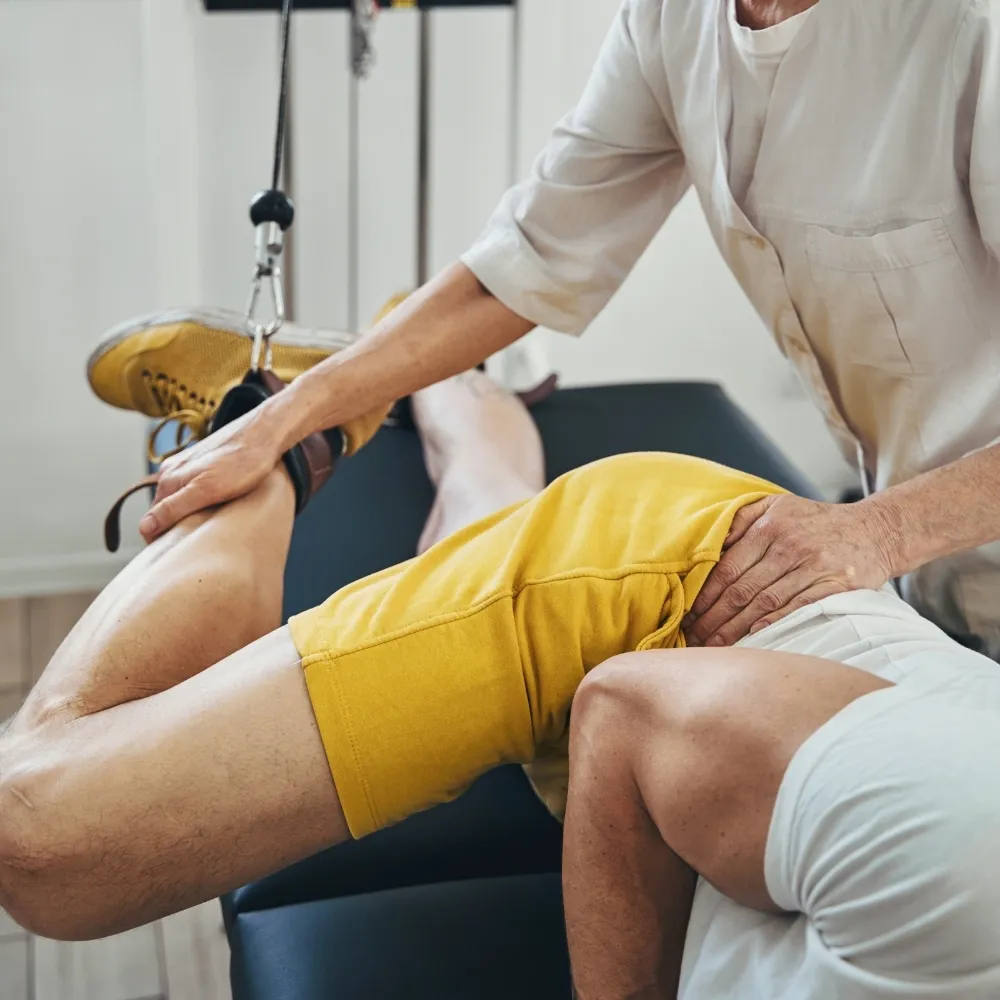
Fascia Stretch Therapy: When Movement Feels Stuck

Injury Prevention: The Smartest Investment
Think about it: how many times have you pushed through tightness or ignored early warning signs until something actually broke down? Your shoulder was kind of sore for weeks before it got really bad. Your knee felt a little off before it became a problem that stopped you from running.
A kinesiologist helps you recognize those early warning signs and address them before they become bigger issues. They teach you what normal muscle soreness feels like versus pain that signals a problem. They help you understand when to push and when to back off.
For athletes and active people, this is huge. Staying healthy means staying consistent with training. Missing weeks or months because of an injury sets you back way more than taking a day or two to address tightness or discomfort early.
Working Movement into Your Real Life
Good kinesiologists understand this. They help you build realistic plans that fit into your actual life, not some idealized version where you have two hours a day to work out.
Maybe that means exercises you can do while watching TV. Or a 10-minute morning routine before your shower. Or movements you can fit in during your lunch break at work.
The exercises don’t need to be complicated. Often the most effective movements are simple ones done consistently. Squats, lunges, planks, bridges – basic movements that build foundational strength and stability.
Your kinesiologist teaches you how to do them correctly so you get the benefit without the risk. They adjust exercises if something doesn’t feel right. They answer your questions without making you feel like you should already know this stuff.
When Kinesiology and Physiotherapy Work Together
At Kinesis Physiotherapy & Rehabilitation Centre, our kinesiologists and physiotherapists collaborate closely on patient care. This team approach means you get the right treatment at the right time.
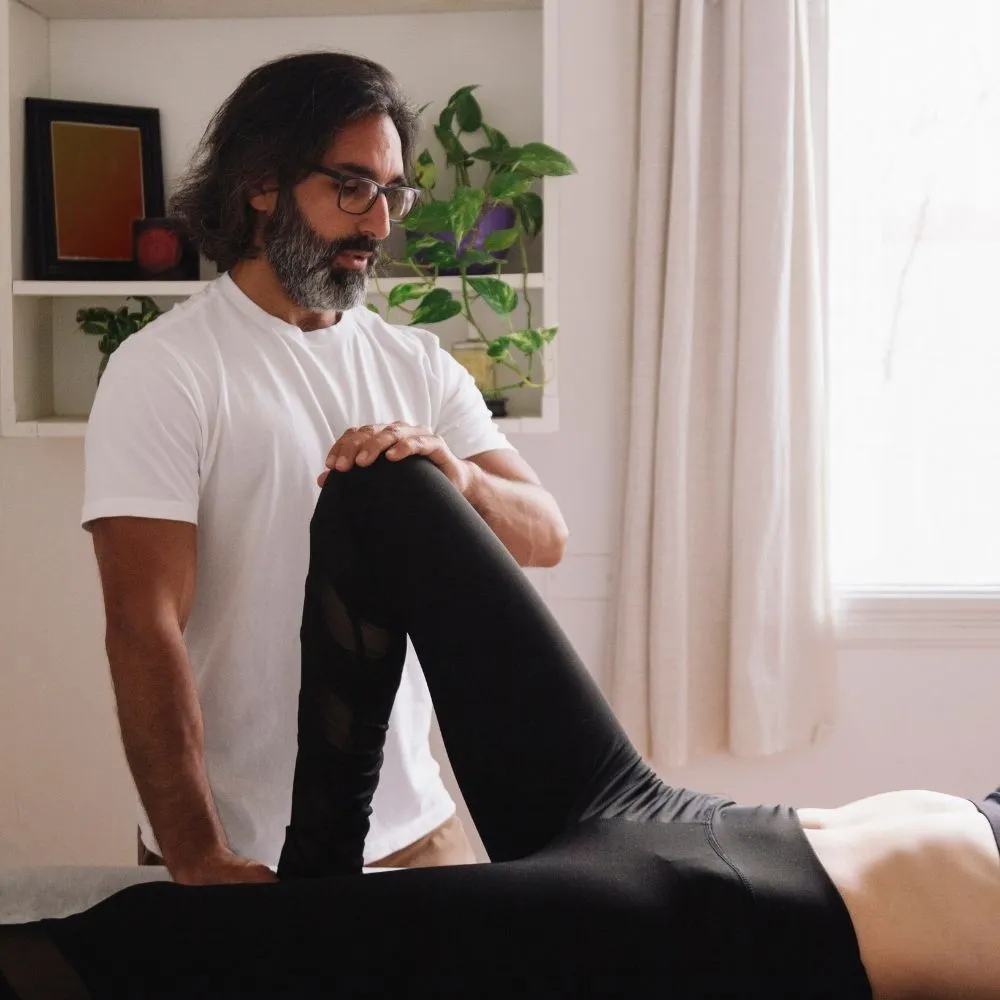
Your physiotherapist in Whitby might focus on reducing pain and inflammation, using manual therapy techniques to address tissue restrictions. Meanwhile, your kinesiologist builds the exercise component that reinforces those improvements and prevents future problems.
This isn’t about doing twice the work. It’s about each professional focusing on what they do well, with everyone working toward the same goal: getting you better.
The communication between team members means nobody’s working in a silo. Your physiotherapist knows what exercises you’re doing with your kinesiologist. Your kinesiologist knows what manual therapy you’re receiving. Everyone adjusts their approach based on how you’re responding.
Questions People Ask About Kinesiology
What's the difference between a kinesiologist and a personal trainer?
Both work with exercise, but kinesiologists are regulated health professionals with university degrees in human movement science. They’re trained to work with injuries, chronic conditions, and rehabilitation – not just general fitness. Personal trainers focus more on fitness goals for healthy populations.
Can a kinesiologist help with chronic pain conditions?
Yes. Kinesiologists work with people managing conditions like fibromyalgia, arthritis, and chronic back pain. They design exercise programs that account for your pain levels and help you build tolerance gradually. Movement, done correctly, often reduces chronic pain over time.
Will exercises make my injury worse?
Not when prescribed appropriately. Kinesiologists design programs that work within your current capabilities. The right exercises, done with proper form and progression, help injuries heal faster and more completely. They teach you the difference between discomfort that’s okay and pain that signals a problem.
Do I need to be in shape before starting?
Absolutely not. Kinesiologists work with people at all fitness levels, including those who haven’t exercised in years. Your program starts where you are, not where you think you should be.
How is kinesiology different from physiotherapy?
Can kinesiologists treat sports injuries?
Building Long-Term Movement Health
The same applies to how you move. One session with a kinesiologist won’t fix years of sitting poorly or favoring one leg. But consistent work over time? That creates real change.
Your kinesiologist builds a program that grows with you. Maybe you start with basic exercises to rebuild stability. As you get stronger, the program evolves. New challenges, different movements, progressing at a pace that makes sense for your body.
This isn’t about perfect form or doing everything “right.” It’s about finding what works for your body, your lifestyle, and your goals. Some days you’ll have more energy and do more. Other days you’ll do less. That’s normal and expected.
Why Choose Kinesis for Kinesiology Services
Since opening in 2015, Kinesis Physiotherapy & Rehabilitation Centre has focused on one thing: helping people move better and feel better. We’re not interested in quick fixes or treating symptoms without addressing the root cause.
Our team approach means you’re not just working with one person. Kinesiologists, physiotherapists, chiropractors, and massage therapists all collaborate on your care. Everyone is on the same page about your goals and progress.
We also believe in educating our clients. You’re not just a passive participant in your recovery – you’re an active partner. We teach you why certain exercises matter, how your body works, and what you can do on your own to keep improving.
Our clinic serves patients from across the region, including those from Oshawa, Ajax, Brooklin, and surrounding communities. We’re accessible, our staff is friendly, and we actually care about helping you reach your goals.
Taking the First Step
If you’re reading this and thinking, “Yeah, that tight shoulder/sore knee/stiff back is really getting old,” here’s what to do next.
Book an assessment. Come in, talk to one of our kinesiologists, and get a clear picture of what’s going on with your body. No pressure, no commitment to a huge treatment package. Just information about what might help.
You can reach Kinesis Physiotherapy & Rehabilitation Centre directly through our website at kinesisrehab.ca or give us a call. Our front desk team will get you scheduled and answer any questions you have.
The longer you wait to address movement problems, the more compensations your body creates. That shoulder issue starts affecting your neck. That knee problem changes how you walk, which then affects your hip and back. Small problems have a way of becoming bigger ones.
But here’s the good news: your body wants to move well. It wants to feel good. And with the right support, it can. A kinesiologist gives you the tools, knowledge, and guidance to make that happen.
Your body has been talking to you. Maybe it’s time to listen.