Chiropodist Whitby
Chiropodist Whitby: Professional Foot Care When You Need It Most
Your feet carry you everywhere. Down Brock Street to grab groceries. Along the waterfront trail at Heydenshore Park. Through your day at work and home again. But when foot pain shows up, even a short walk becomes a challenge.
Maybe you’ve noticed a bump forming at the base of your big toe. Or there’s a thick patch of skin on your heel that hurts when you stand. Perhaps getting your shoes on in the morning has become harder than it should be. These problems don’t fix themselves. They usually get worse.
At Kinesis Physiotherapy & Rehabilitation Centre, our chiropodist helps people in Whitby, Ajax, and Oshawa deal with foot problems that affect their daily lives. We’re located at 80 Thickson Rd S, and we’ve been helping people move better since 2015.
What Does a Chiropodist Do?
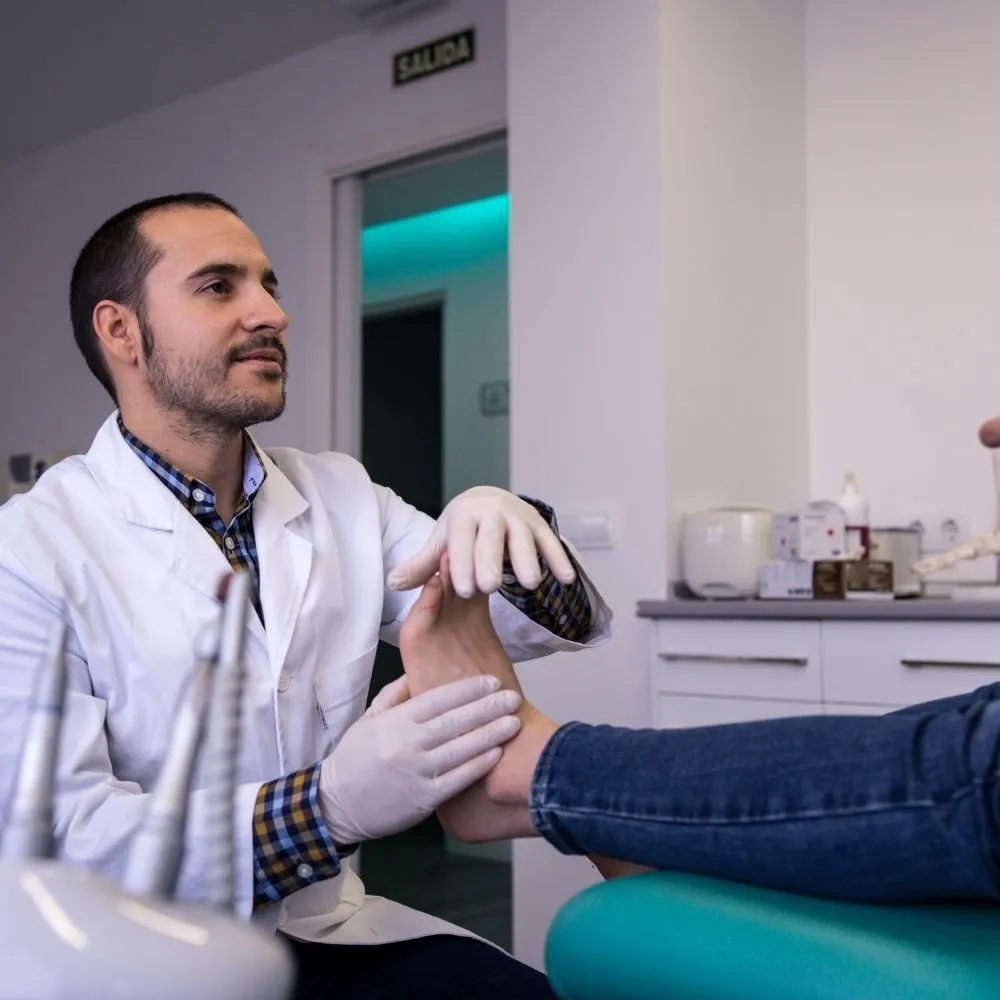
Chiropodists are licensed foot care professionals who assess, treat, and help manage conditions affecting the feet and lower legs.
They work with people of all ages and backgrounds, from those experiencing everyday discomfort to individuals managing ongoing health conditions that can affect foot health.
Common areas of care include:
- Ingrown and thickened toenails
- Calluses and corns
- Bunions and structural foot concerns
- Foot pain and walking-related issues
- Skin and nail conditions
- Preventive foot care for individuals with diabetes or reduced circulation
Chiropodists also assess how your feet function when you stand and walk. Based on this evaluation, they may recommend shoes, custom orthotics designed to fit inside your footwear and support how your feet move and exercises to help correct mechanical inefficiencies.
If you have questions about your foot health or would like a professional assessment, contact our clinic to schedule an appointment.
Common Conditions We Treat
Bunions That Make Shoes Painful
A bunion is a bump that forms where your big toe meets your foot. It happens when the bones in your toe shift out of place. The bump gets bigger over time, and shoes that used to fit now press against it.
You might notice your big toe starting to lean toward your other toes. The joint gets red and sore. Finding comfortable shoes becomes harder. Women develop bunions more often than men, mainly because of tight shoes and high heels.
We can’t reverse a bunion without surgery. But we can help manage discomfort and slow its progression. Custom orthotics support your foot, helping redistribute pressure away from the bunion. We’ll also talk about footwear options that may better support your foot structure.
Corns and Calluses From Pressure
Your skin tries to protect itself from rubbing and pressure. It does this by getting thick and hard. That’s what a callus is.
Corns are similar, but they form in smaller spots and usually hurt more. They often show up on the tops of your toes where shoes rub. Calluses spread out more and form on the bottom of your feet where you put weight.
You can buy corn pads at the drugstore. You can try pumice stones at home. But if the pressure causing the problem doesn’t change, they’ll just come back, and if you have diabetes, trying to remove them yourself can increase the risk of skin injury or infection.
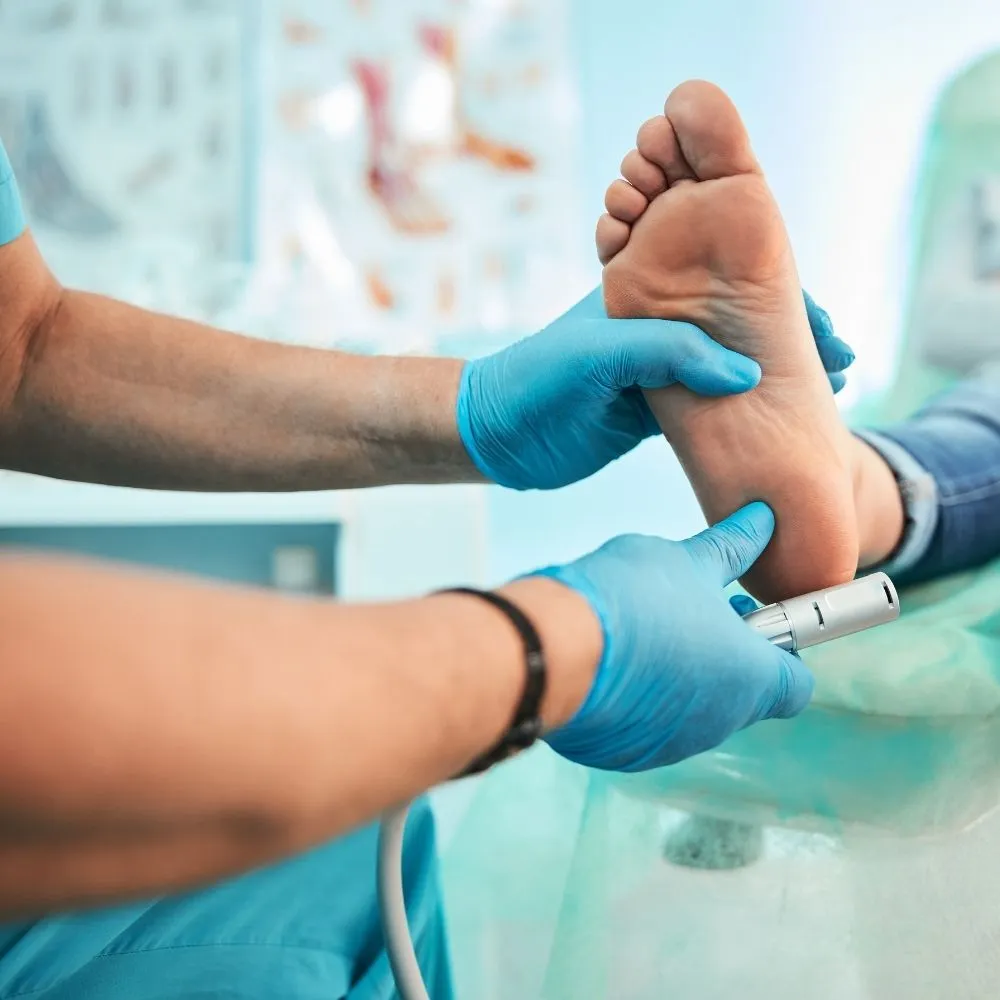
A chiropodist in Whitby can safely reduce corns and calluses using professional instruments. We use special tools to take away the thick skin while protecting healthy surrounding tissue. Then we figure out why they formed in the first place. Sometimes it’s your shoes. Sometimes it’s how your foot hits the ground. Orthotics may help reduce the likelihood of their return.
Plantar Fasciitis and Heel Pain
Your plantar fascia is a thick band of tissue that runs along the bottom of your foot. It connects your heel to your toes. When it gets irritated and inflamed, every step hurts.
Most people with plantar fasciitis notice the pain first thing in the morning. Those first few steps out of bed feel like stepping on glass. The pain usually gets better as you move around, but it comes back after you’ve been sitting or standing for a while.
Athletes get plantar fasciitis from running and jumping. People who work on their feet all day get it from constant standing. Having flat feet or high arches can make you more likely to develop it.
Treatment focuses on reducing strain on the tissue and addressing contributing factors. We might suggest stretches, different shoes, or orthotics to help support your arch and walking pattern. The goal is to improve comfort and allow the tissue to recover.
Ingrown Toenails That Won’t Quit
An ingrown toenail happens when the edge of your nail grows into the skin next to it. It gets red, swollen, and painful. Sometimes it gets infected.
Tight shoes cause a lot of ingrown toenails. So does cutting your nails too short or rounding the corners. Some people’s nails just curve more than others.
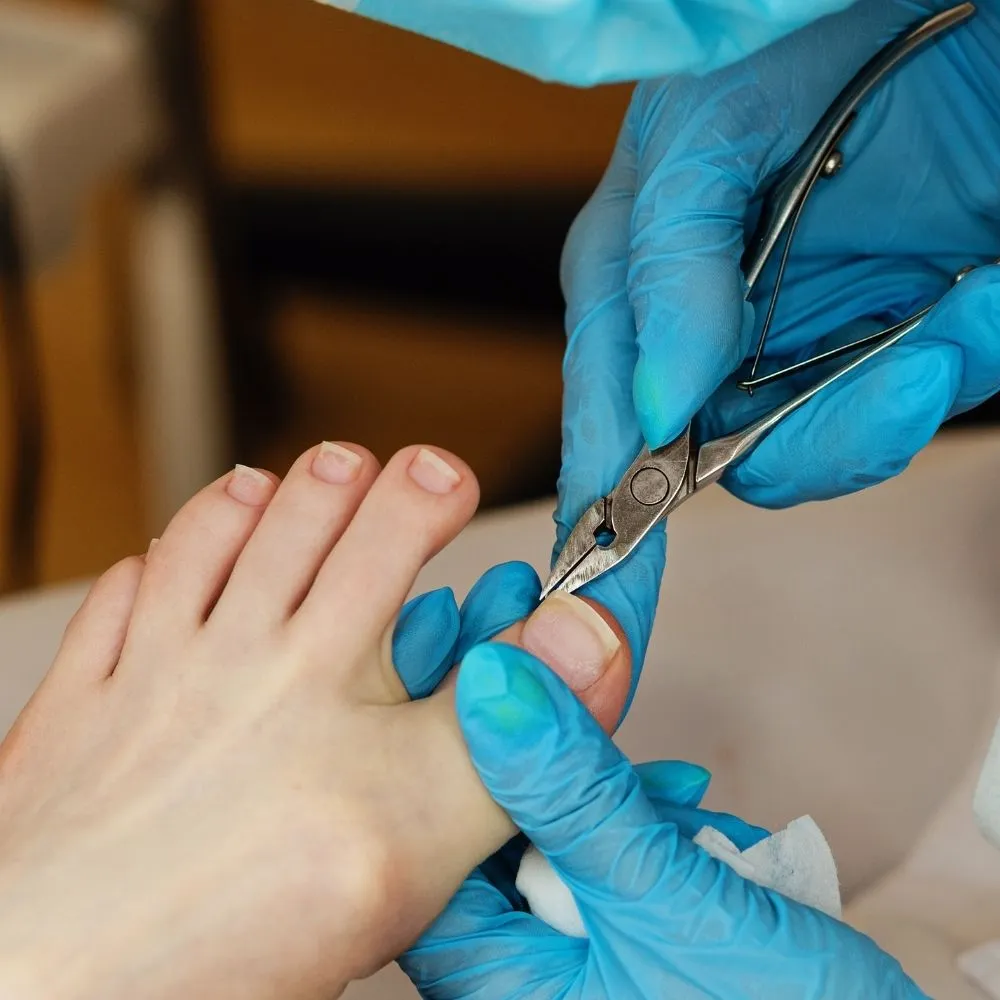
Trying to dig out an ingrown toenail yourself usually makes it worse. We can professionally remove the portion of the nail causing irritation and address any signs of infection. For nails that keep growing in, we have treatment options designed to reduce recurrence.
Diabetic Foot Care
Diabetes changes how your body handles injuries and infections. Small cuts on your feet can turn into big problems. High blood sugar damages nerves, so you might not feel pain that warns you something’s wrong. It also affects blood flow, making healing slower.
People with diabetes benefit from regular professional foot assessments. A chiropodist looks for small problems before they become serious. We check for cuts, blisters, and areas of pressure that could turn into ulcers. We help you understand what to watch for at home.
Proper foot care can support long-term foot health and help reduce the risk of complications. It’s not about being scared. It’s about being smart.
If you’re experiencing foot concerns or would like a professional assessment, contact our clinic to schedule an appointment with a licensed chiropodist.
Custom Orthotics: Support Built for Your Feet
Your chiropodist in Whitby conducts a professional assessment of your feet and gait, watches how you move, and creates a mold that captures your individual foot structure.
The orthotics we make fit inside your regular shoes. They help redistribute pressure across your foot, support your arch based on your assessed needs, and encourage improved foot alignment. This doesn’t just help your feet. When your feet function more effectively, it may help reduce strain in your knees, hips, and even your lower back.
People use orthotics for many reasons. Some have flat feet that roll inward too much when they walk. Others have high arches that don’t absorb shock well. Athletes use them to help manage stress from repetitive movements. People who stand all day use them to help reduce fatigue.
They may help relieve pressure on bunions by redistributing force across the foot. They can help reduce the formation of calluses by changing where pressure is applied. They may provide arch support to assist with plantar fasciitis. They can help improve foot positioning to reduce strain on joints.
Yes, custom orthotics cost more than drugstore inserts. But they’re made from durable, medical-grade materials designed to support long-term use. They’re prescribed by a licensed healthcare professional who understands your individual foot mechanics. Many insurance plans may cover part or all of the cost when orthotics are prescribed by a chiropodist.
If you’ve tried over-the-counter inserts and still have discomfort, you may benefit from a professional assessment to determine whether custom orthotics are appropriate for you.
Why Choose Kinesis for Chiropody in Whitby
We opened our doors in 2015 with a simple idea: find the root cause of the problem, not just treat symptoms. That approach works for feet just like it works for backs and knees.
Our chiropodist takes time to understand what’s bothering you. We look at your whole foot, not just the part that hurts. We ask about your work, your activities, and what shoes you wear. All of this helps us figure out why the problem developed and how to prevent it from coming back.
You don’t need a doctor’s note to see us, though your insurance might require one for billing. We’re located right off Thickson Road, easy to reach whether you’re coming from Brooklin, Port Whitby, or anywhere in Durham Region.
Who Should See a Chiropodist?
You don’t need to wait until you can barely walk. Here are some signs it’s time to get your feet checked:
- Pain that’s been bothering you for more than a week
- Difficulty finding shoes that don’t hurt
- Changes in how your foot looks
- Trouble doing activities you used to enjoy
- Thick, discolored toenails
- Numbness or tingling in your feet
- Any foot wound that’s not healing
If you have diabetes, regular chiropody visits should be part of your routine care. Don’t wait for problems to show up.
Taking Care of Your Feet Every Day
Between chiropody visits, there are things you can do to keep your feet healthy:
Wash your feet daily and dry them well, especially between the toes. Moisture trapped there can lead to fungal infections.
Moisturize your feet, but skip the area between your toes. Dry, cracked skin can split and hurt.
Cut your toenails straight across, not curved. This helps prevent ingrown nails.
Wear shoes that fit. Your feet shouldn’t hurt at the end of the day. If they do, your shoes might be the problem.
Check your feet regularly. Look for cuts, blisters, redness, or anything that looks different. Catch problems early.
Getting Started
If your feet hurt, you probably think about it with every step. Walking through downtown Whitby to run errands becomes something you avoid. Playing with your kids at Grass Park is harder than it should be. The waterfront trail along Lake Ontario looks beautiful, but the thought of walking it makes you hesitate.
Foot problems affect more than just your feet. They change what you can do and how you feel doing it.
Call us at (905) 493-9199 or visit kinesisrehab.ca to book an appointment. We’ll take a close look at what’s going on with your feet and talk about options that make sense for your situation.
Your feet deserve the same care you’d give any other part of your body that works hard every day. Because when your feet feel better, everything else gets easier.
Our Services
CUSTOM ORTHOTICS