
Pelvic Floor Physiotherapy Whitby
Pelvic Floor Therapy in Whitby: Real Help for Real Problems
Whether you’re dealing with issues after having a baby, recovering from prostate surgery, or just noticing things aren’t working right anymore—you’re not alone. And more than that, you don’t have to just live with it.
At Kinesis Physiotherapy & Rehabilitation Centre in Whitby, our pelvic physiotherapist helps people with these problems every single day. Real problems that real people have. The kind that make you skip activities you love or avoid situations that should be normal.
What Your Pelvic Floor Actually Does
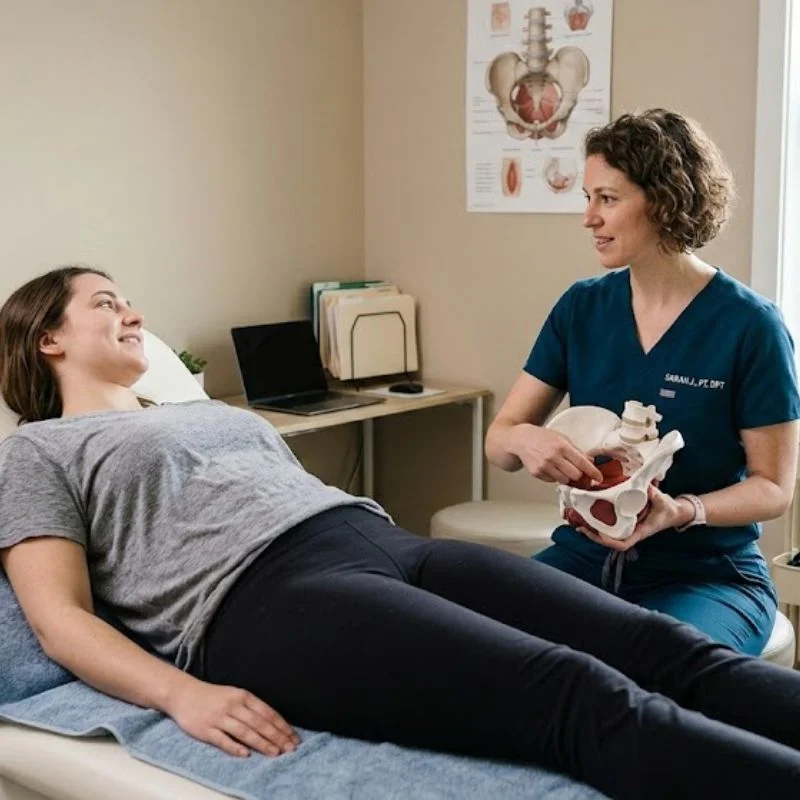
Think of your pelvic floor like a hammock made of muscles. This hammock sits at the bottom of your pelvis and holds up your bladder, bowel, and reproductive organs. When it’s working right, you don’t even think about it.
But when something goes wrong, things start to feel off. You might:
• Leak pee when you cough, laugh, or exercise
• Feel like you need to pee all the time
• Have trouble making it to the bathroom
• Feel pressure or bulging
• Have pain during sex
• Deal with constipation or have trouble controlling your bowels
• Feel pain in your pelvis that won’t go away
• Have trouble getting or keeping an erection
These aren’t things you just “get used to.” They’re signs that your pelvic floor needs help.
Why Pelvic Floor Problems Happen
For women, pregnancy and birth are big reasons. Growing a baby stretches these muscles. Pushing during delivery can weaken or tear them. Even a C-section puts stress on your pelvic floor because of all those months carrying extra weight.
For men, prostate problems are a common cause. Surgery to remove the prostate can damage the muscles that control your bladder. Radiation treatment can cause scar tissue. Even just an enlarged prostate can create issues over time.
But those aren’t the only causes. Getting older, being overweight, chronic coughing, heavy lifting at work, or certain sports can all mess with your pelvic floor—for anyone.
Some people have muscles that are too tight. This can cause pain in your pelvis, pain during sex, or make it hard to go to the bathroom. Tight muscles need to learn how to relax, not just get stronger.
How Pelvic Floor Therapy Helps
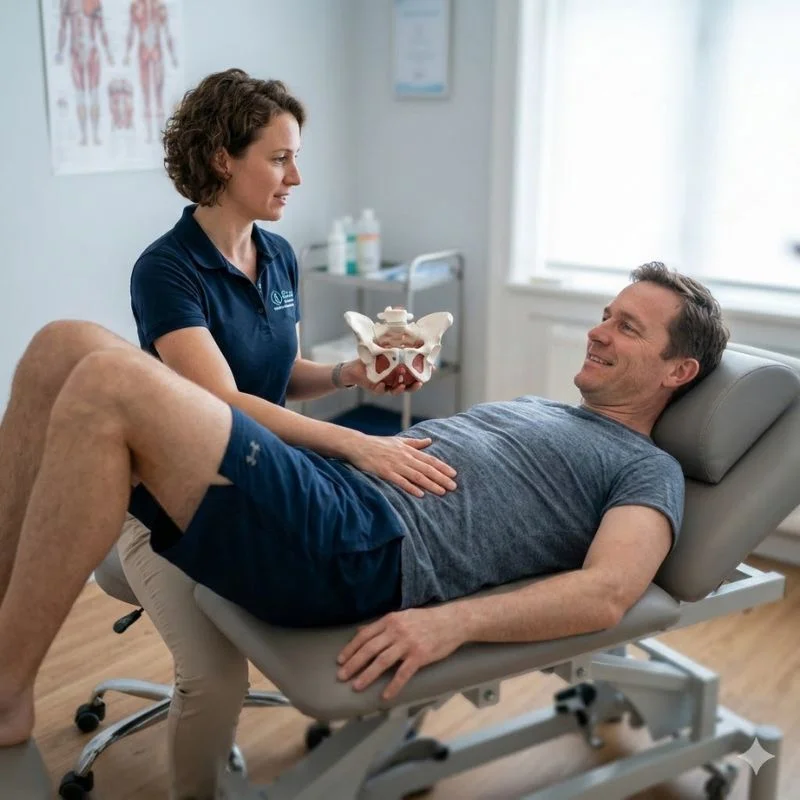
When you come to Kinesis Physiotherapy in Whitby for pelvic floor help, you’ll work with a physiotherapist who has special training in this area. They understand how these muscles work and what to do when they don’t.
Your first visit takes about an hour. Your physiotherapist will ask about your symptoms and your health history. They’ll want to know what bothers you most and what you want to fix.
Then comes the assessment. Your physiotherapist may do an internal exam (through the vagina or rectum) to check how your muscles are working. This sounds uncomfortable, but it’s the best way to figure out what’s going on. They can feel if your muscles are weak, tight, or not working together right.
You’re always in control. You can say no to any part of the exam. Your physiotherapist will explain everything before they do it.
After the assessment, they’ll make a plan just for you. No two people get the same plan because no two people have the same problem.
What Treatment Looks Like
Exercises for Your Pelvic Floor
Some people need to make their muscles stronger. Others need to learn how to relax them. Your plan depends on what your muscles need.
Learning About Your Body
Manual Therapy
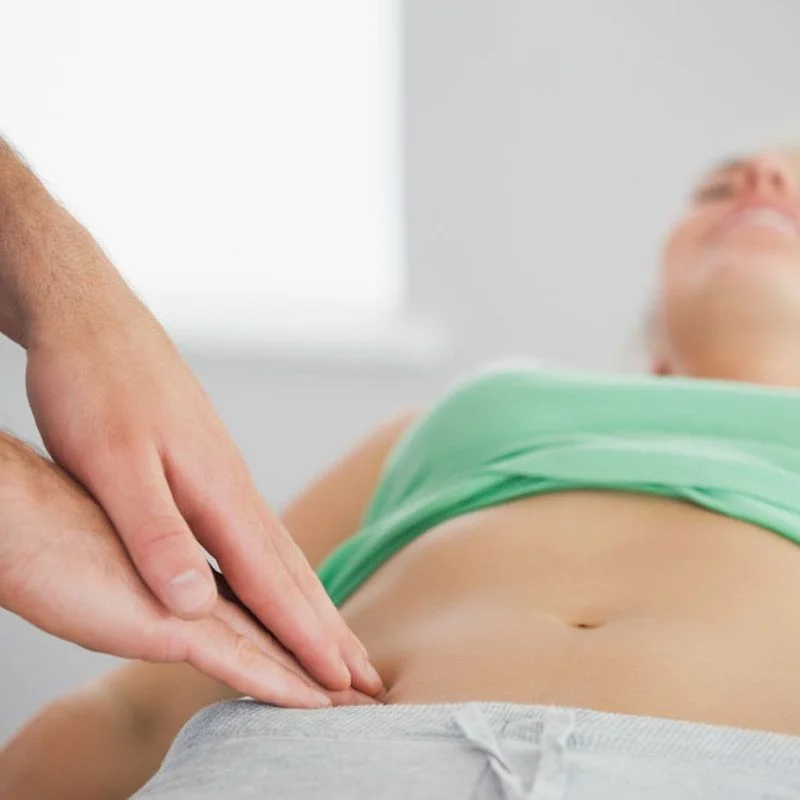
Your physiotherapist might use their hands to release tight spots in your muscles. This is called manual therapy. It can help if you have pain or if your muscles are too tight.
Biofeedback
Tools and Devices
Common Problems We Treat in Women

Leaking Pee
If you have to run to the bathroom and sometimes don’t make it, that’s urge incontinence. Your bladder and brain aren’t talking to each other right.
Both types get better with pelvic floor therapy. You don’t have to wear pads forever or avoid activities you love.
Prolapse
Prolapse is when your pelvic organs drop down. You might feel a bulge or pressure in your vagina. It can make it hard to pee or poop. It might feel worse at the end of the day.
Most prolapses get better on their own in the first year after having a baby. Pelvic floor therapy can help manage symptoms and teach you what to do to keep it from getting worse.
After Having a Baby
Pelvic floor therapy can help with: – Leaking pee or poop – Pain from tearing or stitches
– Pain in your pelvis or back – Separated stomach muscles (diastasis recti) – Painful sex – C-section scars that feel tight or painful
You don’t have to wait until your six-week checkup to get help. The sooner you start, the faster you’ll feel better.
Pain During Sex
Your physiotherapist can help loosen tight muscles and work on scar tissue. They can teach you exercises and techniques to make sex comfortable again.
After Prostate Surgery
Pelvic floor therapy can help you get control back. Most men see improvement within a few months of starting therapy. Some get back to having no leaks at all.
Erectile Dysfunction
Pelvic floor exercises can help improve blood flow and strengthen the muscles that support erections. This works best when erectile problems are related to muscle weakness, not other medical issues.
Chronic Prostatitis and Pelvic Pain
Usually, this pain comes from tight, overworked pelvic floor muscles. Your physiotherapist can help these muscles relax and stop hurting.
Bowel Problems After Treatment
Pelvic floor therapy can help you regain control and reduce pain.
Common Problems We Treat in Men
Problems We Treat in Everyone
Chronic Pelvic Pain
Some people have pain in their pelvis that just won’t quit. It might hurt when you sit, during sex, or all the time.
This kind of pain often comes from tight, overworked pelvic floor muscles. Your physiotherapist can help these muscles calm down and stop hurting.
Bowel Problems
Your pelvic floor helps control your bowels. If you’re dealing with constipation, pain when you poop, or leaking poop, pelvic floor therapy can help.
Your physiotherapist will teach you the right way to sit on the toilet, how to breathe, and exercises to help things work better.
Urgency and Frequency
If you feel like you’re running to the bathroom all the time or can’t hold it when you get the urge, your pelvic floor and bladder aren’t working together right.
Therapy can help retrain your bladder and teach your muscles to work better.
Why Choose Kinesis Physiotherapy in Whitby
Our pelvic physiotherapist has advanced training in pelvic health. This means they’ve done extra learning on top of their regular physiotherapy education to help with these specific problems.
We get it—talking about pee, poop, and sex is awkward. But we do this every day. You won’t shock us or embarrass us. We just want to help you feel better.
Your appointments are private. We give you enough time to talk about what’s bothering you without feeling rushed. And we treat you like a real person, not just a problem to fix.

Getting Started Is Easy
You don’t need a doctor’s note to book an appointment. Just call us at (905) 493-9199 or book online at kinesisrehab.ca.
Most insurance plans cover pelvic floor physiotherapy. Check with your plan if you’re not sure. We’ll give you detailed receipts to submit for reimbursement.
Your first visit takes about an hour. Wear loose, comfortable clothes—shorts and a t-shirt work great.
Come prepared to talk openly about your symptoms. The more we know, the better we can help. And remember, we’ve heard it all before. Nothing you say will surprise us.
What to Expect from Treatment
Your physiotherapist will check in with you regularly to see how you’re doing and adjust your plan as needed.
Between visits, you’ll do exercises at home. These usually take 10-15 minutes a day. Doing them regularly makes a huge difference in how fast you get better.
You Don’t Have to Live Like This
But it doesn’t have to be.
Pelvic floor problems are common, but they’re not normal. And they’re treatable. You can feel better. You can laugh without crossing your legs. You can play with your kids or grandkids. You can have comfortable sex again. You can get through the day without worrying about where the nearest bathroom is.
The hardest part is picking up the phone and making that first call. After that, we’ll take care of you.
Visit Us in Whitby
Kinesis Physiotherapy & Rehabilitation Centre
80 Thickson Rd S, Whitby, ON L1N 7T2
Phone: (905) 493-9199
Email: roxon@kinesisrehab.ca
Website: kinesisrehab.ca
We’re open Monday through Friday, 9 AM to 6:30 PM, and closed on weekends.
Parking is easy and free. Our clinic is wheelchair accessible.
Whether you’re in Port Whitby near the waterfront, in the Pringle Creek area, over by Brooklin, or anywhere else in Whitby and Durham Region, we’re here to help.
You deserve to feel good in your body. Let’s work on that together.