Physiotherapist Whitby: Getting You Back to What You Love
You know that feeling when your body just won’t cooperate? Maybe you bent down to tie your shoes and felt that sharp twinge. Or you’ve been dealing with that nagging shoulder pain for months, and it’s keeping you from playing catch with your kids at Heydenshore Park. Whatever brought you here, you’re probably tired of working around the pain instead of actually fixing it.
That’s where we come in.
At Kinesis Physiotherapy & Rehabilitation Centre in Whitby, we help people get their bodies working again. Not just feeling a bit better, but actually moving the way they’re supposed to. We’ve been doing this since 2015, right here in your community, and we’ve learned a few things about what works and what doesn’t.
What Makes Physiotherapy Different
Here’s the thing about pain: it’s sneaky. That ache in your knee might actually be coming from your hip. That headache could be tied to how you’re holding tension in your neck. Your body is connected in ways you might not realize, and that’s why simply treating symptoms doesn’t cut it.
When you walk into our clinic, we don’t just look at the spot that hurts. We look at how you move, how your muscles work together, and what might be causing the problem in the first place. Think of it like being a detective, but for your body.

How We Help You Get Better
We use three main approaches that work together: teaching you about your body, giving you exercises that actually help, and using hands-on techniques to release tight muscles and fascia. This is active work where you participate in your recovery.
Most people who come to see us are dealing with back pain, neck pain, sports injuries, or recovering from surgery. Some folks are getting older and want to stay active. Others got hurt at work or in a car accident. Each person needs something different, and that’s fine. Whether you’re looking for physiotherapy for lower back pain or need help getting back to the sport you love, we build a plan around your goals, not a one-size-fits-all approach.
Common Conditions We Treat
Your physiotherapist can help with a wide range of problems. Back pain is one of the most common reasons people book appointments. Whether it’s lower back pain from sitting at a desk all day or upper back tension from stress, targeted exercises and manual therapy can make a real difference.
Neck pain and headaches often go hand in hand. If you wake up with a stiff neck or get headaches that start at the base of your skull, the muscles in your neck might be the culprit. Treatment focuses on releasing tight muscles, improving posture, and strengthening the right areas.
Sports injuries happen whether you’re training for a marathon or just trying to stay active on the weekends. Ankle sprains, runner’s knee, rotator cuff problems, tennis elbow—these all respond well to physiotherapy. The goal is getting you back to your sport safely, not just getting you out of pain.
After surgery, your body needs help learning to move properly again. Whether you’ve had a knee replacement, ACL repair, or shoulder surgery, physiotherapy helps you regain strength and range of motion. Your surgeon fixes the problem, and we help you get back to normal life.
Work and Motor Vehicle Injuries
Getting hurt at work or in a car accident adds extra stress on top of the physical pain. You’re dealing with insurance companies, time off work, and maybe worrying about whether you’ll fully recover.
We work with workplace injuries covered by WSIB and motor vehicle accidents covered by auto insurance. The paperwork can be confusing, but we’ll give you the documentation you need to submit your claims. We can also communicate with your insurance adjuster or case manager if needed.
These injuries often involve whiplash, back strains, or repetitive strain issues. Treatment might take longer because these injuries can be more complex than they first appear. But with consistent work, most people get back to their regular activities.
Chronic Pain and Long-Term Issues
Some pain doesn’t go away on its own. Maybe you’ve had that shoulder problem for two years. Or your knee has bothered you since you were a teenager. Chronic issues need a different approach than fresh injuries.
When pain sticks around for months or years, your nervous system gets involved. Your brain starts to expect pain, and that makes it harder to fix. Physiotherapy for chronic pain includes education about how pain works, gradual movement to retrain your nervous system, and hands-on treatment to address physical restrictions.
You won’t fix years of pain in three visits. But you can make progress. Small improvements add up over time, and many people find they can do things they thought they’d given up for good.
Balance and Dizziness Problems
Feeling dizzy or off-balance affects everything. You might feel unsteady when you walk, get dizzy when you turn your head, or feel like the room is spinning. These problems can come from your inner ear, your neck, or after a concussion.
We have three vestibular therapists on staff who specialize in balance and dizziness issues. Vestibular therapy retrains your balance system through specific exercises and techniques. The treatment is different for everyone because there are many causes of dizziness, and each needs a different approach.
Many people with balance problems start to avoid activities because they’re afraid of falling. That makes the problem worse because your balance system needs to be challenged to stay sharp. Treatment helps you safely rebuild confidence in your balance.
Helping Seniors Stay Active
Getting older doesn’t mean accepting pain and loss of function. You might not move the same way you did at 30, but you should still be able to do the things you enjoy. Gardening, playing with grandkids, going for walks in Brooklin—these shouldn’t be off the table just because you’ve hit 60 or 70.
Physiotherapy for older adults focuses on maintaining strength, balance, and flexibility. Falls are a real concern as we age, and improving balance can prevent serious injuries. We also work on arthritis pain, post-operative recovery, and general mobility issues.
The exercises might look different than what younger patients do, but they’re just as effective. We meet you where you are and build from there.
Prevention and Performance
Not everyone who comes to physiotherapy is in pain. Some people want to prevent injuries before they happen. Others want to improve their performance in a sport or activity.
If you’re training for something specific, a physiotherapist can assess your movement patterns and identify weak spots that might lead to injury. Maybe your running form needs work. Maybe one side is stronger than the other. Fixing these things before they become problems keeps you training consistently.
Prevention also means learning how to move properly during everyday activities. How you lift boxes, how you sit at your desk, how you carry your kids—all of this affects your body over time. Small changes to your daily habits can prevent big problems down the road.
Manual Therapy Techniques
When people hear “physiotherapy,” they often think of exercises. And yes, exercises are a big part of treatment. But hands-on techniques matter too.
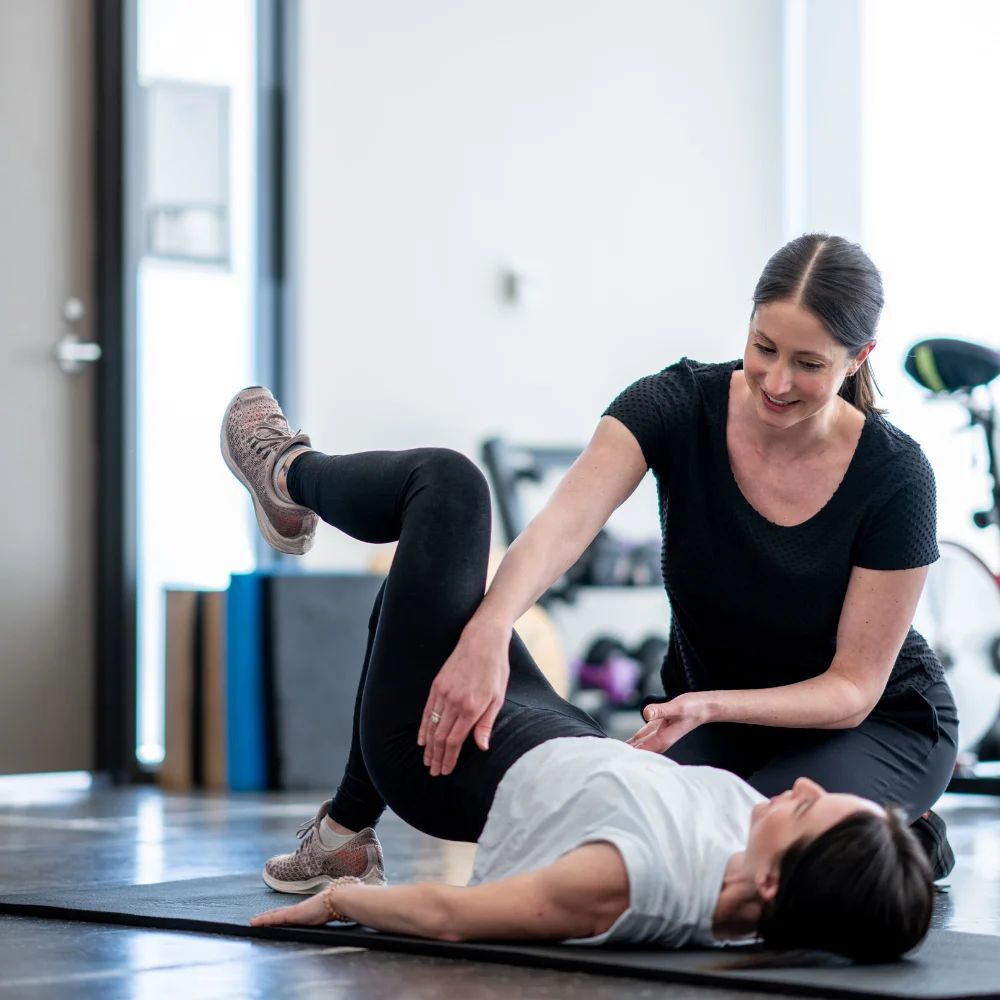
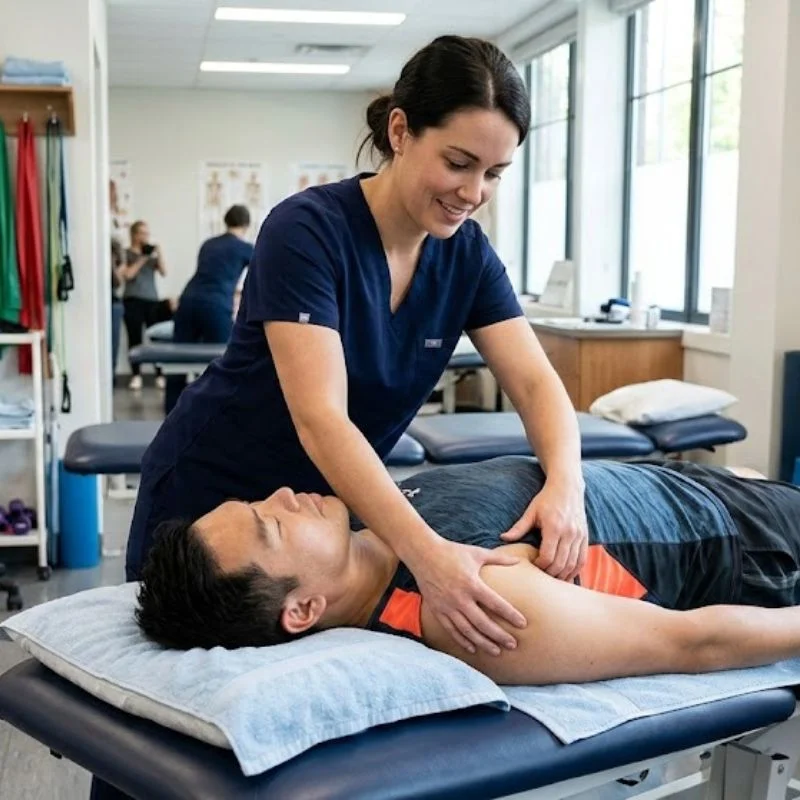
Manual therapy includes joint mobilizations, soft tissue work, and myofascial release. These techniques help restore normal movement, reduce pain, and prepare your body for exercise. Some areas respond better to hands-on work than others, and your therapist will adjust based on what your body needs.
We also offer advanced myofascial release techniques that target the fascia—the connective tissue that wraps around your muscles. When fascia gets tight or restricted, it limits how you move. Releasing those restrictions can make a noticeable difference in how your body feels and functions.
Exercise Therapy That Works
Here’s the deal with exercises: they only work if you actually do them. We’ll give you specific movements to practice at home, but you need to put in the work between appointments.
Good physiotherapy exercises are targeted. They’re not random stretches from the internet. They address your specific problem and change as you get better. What you do in week one will look different from what you do in week eight.
Some exercises focus on strength. Others work on mobility or motor control. The goal is retraining your body to move the right way so the problem doesn’t come back once you stop treatment.

Education and Understanding Your Body
One of the most powerful parts of physiotherapy is understanding what’s actually happening in your body. When you know why something hurts and what’s causing it, the problem feels less scary. You stop catastrophizing and start problem-solving.
Your therapist will explain what’s going on in terms you can understand. No medical jargon unless you want it. You’ll learn what makes your condition better, what makes it worse, and what you can do about it.
This education helps long after you finish treatment. When you understand your body, you can make better decisions about how to move, when to push, and when to back off.
Working With Other Healthcare Providers
You might already be seeing other doctors or specialists. That’s fine. We can work alongside them. Sometimes your family doctor will send us information. Sometimes we’ll send them updates about how you’re doing. We can also coordinate with chiropractors, Withby chiropodists, acupuncturists, or other providers if you’re seeing multiple people.
If you’re dealing with a workplace injury or a motor vehicle accident, there might be insurance paperwork involved. We’ll give you detailed receipts that you can submit to your insurance company for reimbursement.
Real Talk About Recovery
Getting better takes time. Your body needs time to heal and adapt. Some people feel better after a few visits. Others need months of work. It depends on what’s wrong, how long you’ve had the problem, and how much you do at home between appointments.
Yes, you’ll have homework. Usually exercises or stretches. Sometimes changes to how you do certain activities. Consistent work at home makes a real difference in how quickly you progress.
Getting Started
If you’re ready to book, you can call us or use the contact form on our website at kinesisrehab.ca. You don’t need a doctor’s referral to book an appointment, but some insurance plans require one to submit claims. Check with your insurance company if you’re not sure.
When you call, tell us what’s going on and what you need help with. We’ll match you with the right therapist for your situation.
We ask for 24 hours notice if you need to cancel or change your appointment. Life happens, and we understand that. But late cancellations mean someone else who needed that spot couldn’t get in.
What to Bring to Your Appointment
Wear loose, comfortable clothes. Think gym shorts and a t-shirt. Your therapist needs to see how you move, and they might need to assess your muscles directly. Tight jeans and dress shirts make that harder.
Bring a list of any medications you take and any medical records or imaging results you have. If you’ve had X-rays or MRIs, bring those or have them sent to us before your appointment.
Serving the Whitby Community
We’re located right in Whitby, serving everyone from downtown to Port Whitby to Thickson Road and beyond. You don’t have to drive to Oshawa or Toronto for quality care. Parking is available for patients, and we have appointment times that can fit around your schedule.
The Bottom Line
Your body should work for you, not against you. Whether you’re dealing with pain, recovering from an injury, or trying to prevent problems down the road, physiotherapy in Whitby can help. We’ve been serving the Whitby community since 2015.
You don’t have to keep pushing through the pain or giving up activities you love. Ready to get started? Visit us at kinesisrehab.ca or give us a call. Let’s get you moving again.
Our Services
pelvic floor physiotherapy
concussion therapy
fascia stretch therapy